
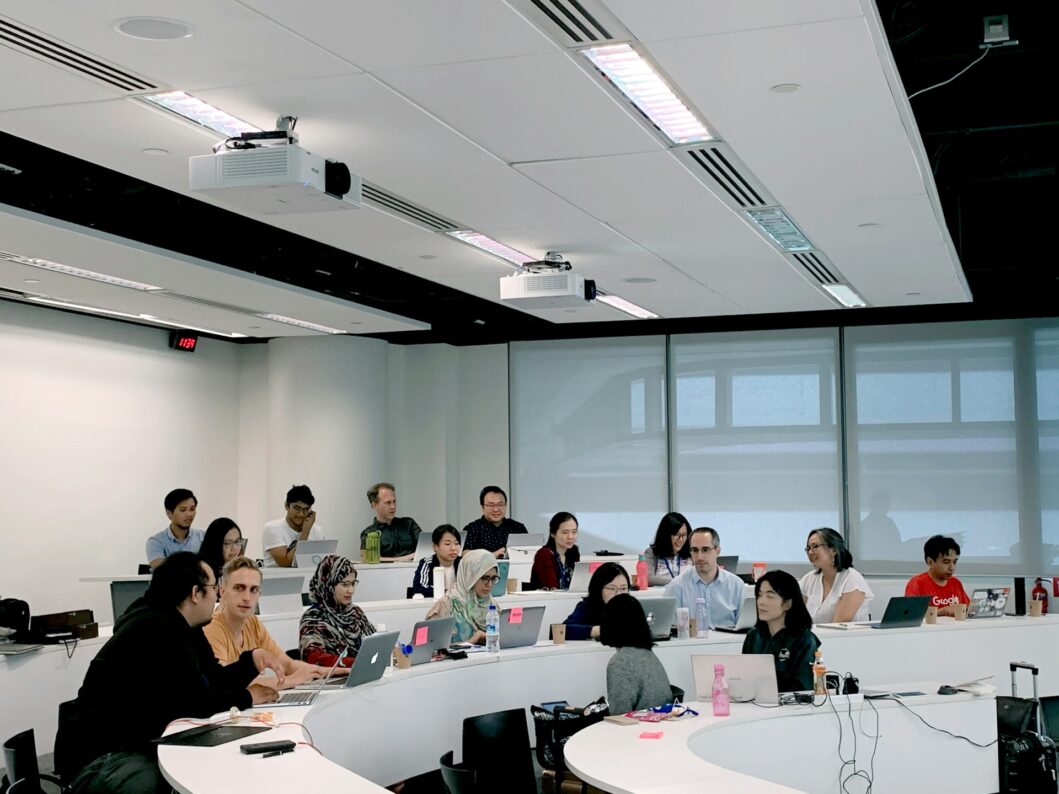
Breaking Barriers to Education Access
Education is a fundamental right, yet millions of people around the world—particularly those in displaced or underserved communities—continue to face barriers to quality learning. Conflict, migration, poverty, and limited infrastructure often disrupt traditional education systems, leaving entire generations without access to consistent schooling. In recent years, however, educators and organizations worldwide have begun reimagining what it means to “educate without borders,” using creativity, technology, and community partnerships to make learning accessible to everyone, regardless of geography or circumstance.
Innovative Models for Global Learning
New educational models are emerging that extend learning beyond the classroom walls. Mobile learning platforms, online universities, and modular education programs have proven effective in reaching refugees, remote learners, and students in crisis zones. These initiatives combine flexibility with academic rigor, allowing students to continue their studies despite instability. For example, global education networks and open-access programs now connect learners to accredited courses and mentorship opportunities online, often supported by scholarships and multilingual resources. These innovations are helping to build pathways for learners who might otherwise be left behind.
Empowering Local Communities Through Education
The success of education without borders also depends on empowering local educators and community leaders. When teachers in refugee camps or underserved rural areas receive training and digital tools, they become catalysts for long-term change. Local ownership ensures that education is culturally relevant, inclusive, and sustainable. Programs that pair international universities with grassroots organizations help align global academic standards with local needs, creating curricula that address both universal subjects and community-specific challenges such as public health, civic engagement, and economic development.
Technology as a Lifeline for Learners
Technology continues to play a vital role in bridging the education gap. Solar-powered devices, offline learning platforms, and low-bandwidth applications allow students in areas without reliable internet access to participate in lessons and assessments. Virtual classrooms also enable learners in displaced communities to interact with peers worldwide, fostering connection and resilience in times of uncertainty. These digital tools not only support academic growth but also build confidence and global awareness.
A Shared Responsibility for a Brighter Future
Educating without borders is more than an aspiration—it is a shared global responsibility. By combining innovation, collaboration, and empathy, educators and organizations can ensure that no learner is excluded from opportunity. Building pathways for displaced and underserved communities transforms education into a force for equity, empowerment, and hope across the world.
About the Author
