
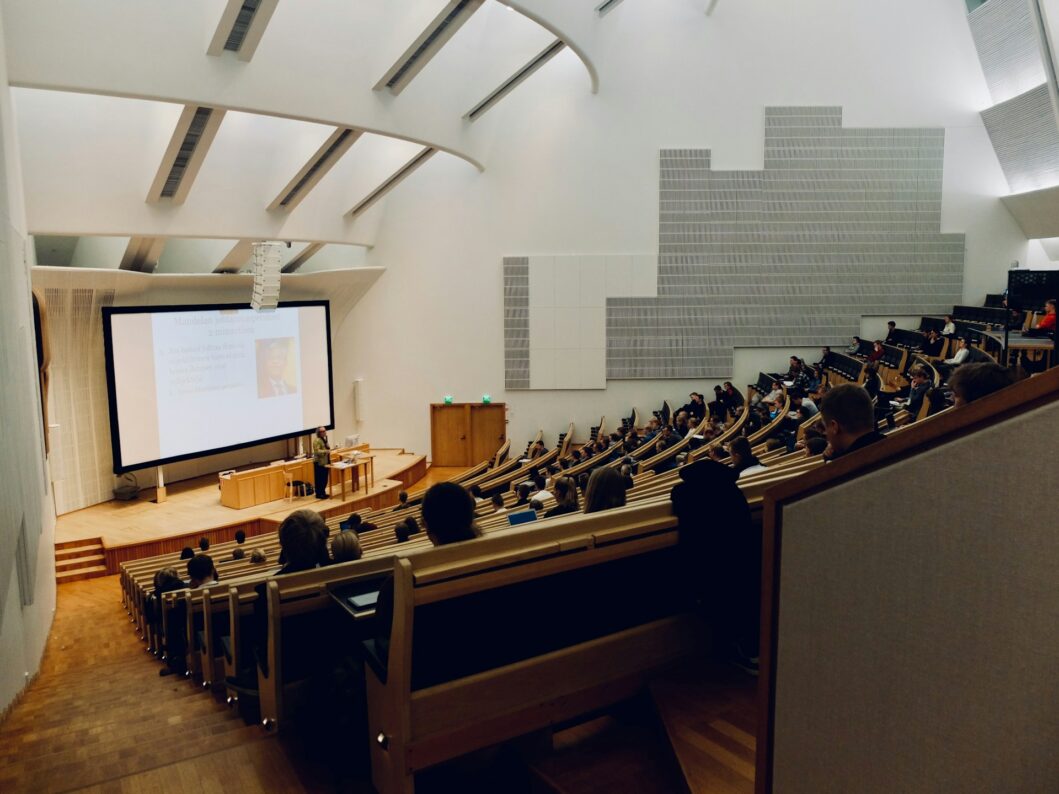
A New Era of Global Collaboration
Higher education is undergoing a remarkable transformation driven by the rise of global education networks. These collaborations connect universities and colleges across continents, creating opportunities for students and educators to engage in shared learning, cross-border research, and inclusive academic exchange. Institutions that once operated in isolation are now part of a vast, interconnected ecosystem that transcends geography, culture, and socioeconomic barriers. This shift is not only redefining how education is delivered but also who has access to it.
Bridging Gaps in Access and Opportunity
For decades, access to quality higher education was determined largely by geography and privilege. Global education networks have begun to change that narrative. Through online platforms, joint degree programs, and open-access initiatives, students from underrepresented regions can now participate in courses led by world-class faculty. Programs supported by networks like the Open Society University Network (OSUN) or the Global Liberal Arts Alliance allow students in developing countries, conflict zones, or refugee communities to engage in the same rigorous academic experiences as their peers in top universities. This democratization of education is leveling the global playing field.
Enhancing Quality Through Diversity
One of the greatest strengths of these networks lies in the diversity they bring to the classroom. When students from different backgrounds engage in shared discussions, it broadens perspectives and encourages critical thinking. Faculty collaboration also enriches teaching and research by integrating global viewpoints and methodologies. Through shared syllabi, co-taught courses, and collaborative projects, educators and students alike gain access to new ideas and best practices, fostering innovation and empathy across borders.
Technology as the Catalyst for Change
Digital learning platforms and hybrid classrooms have made it possible for global education networks to thrive. Real-time virtual seminars, collaborative research tools, and digital libraries enable students to learn, debate, and create together, regardless of location. These technological bridges are essential in sustaining meaningful academic exchange while promoting inclusivity and flexibility.
The Future of Global Learning
As higher education continues to evolve, global education networks represent the future of academic collaboration. By fostering accessibility, diversity, and innovation, they are not only transforming institutions but also shaping a new generation of learners—globally aware, socially responsible, and prepared to address the world’s most pressing challenges. The classroom is no longer defined by walls, but by the collective pursuit of knowledge across the globe.
About the Author
