
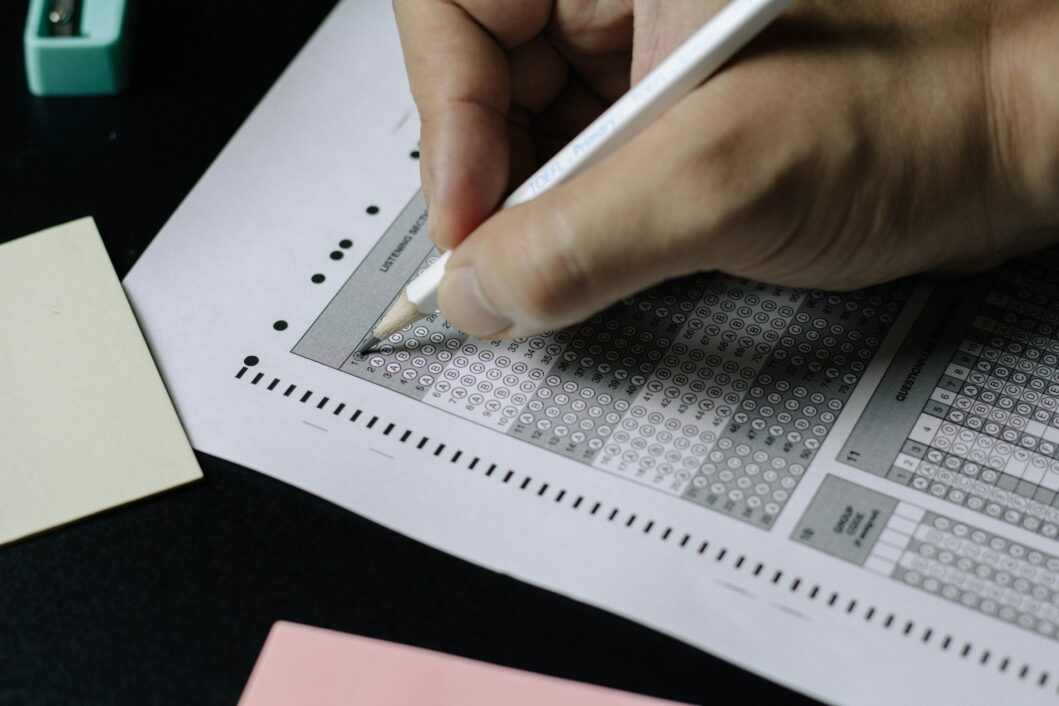
For decades, standardized testing has been the go-to method for assessing student learning and academic achievement. However, as education evolves to meet the needs of diverse learners, many educators and experts are calling for a shift towards more holistic, personalized approaches to assessment. By moving beyond traditional testing models, schools can better capture the full range of students’ abilities and foster more meaningful learning experiences.
1. The Limitations of Standardized Testing
While standardized tests provide a broad measure of academic performance, they often fail to account for the complexities of student learning. These tests typically focus on rote memorization and narrow skill sets, leaving little room for creativity, critical thinking, or real-world problem-solving. Additionally, they do not consider external factors such as learning differences, socioeconomic status, or emotional well-being, which can all affect test performance.
Furthermore, standardized tests often create a high-pressure environment that may negatively impact student motivation and mental health. Students who struggle with test-taking may feel discouraged, while those who excel may not be challenged to their full potential.
2. Performance-Based Assessment: Demonstrating Mastery Through Action
One alternative to standardized testing is performance-based assessment, where students are evaluated based on the application of their knowledge in real-world scenarios. This method allows students to demonstrate their mastery of a subject by completing tasks such as projects, presentations, experiments, or even internships.
For example, in a history class, students might work on a project that requires them to research a historical event, create a multimedia presentation, and present their findings to the class. This type of assessment not only measures content knowledge but also develops essential skills such as communication, research, and collaboration.
3. Portfolio-Based Assessment: A Holistic View of Progress
Another approach is portfolio-based assessment, which involves students compiling a collection of their work over time. Portfolios can include essays, artwork, reports, videos, and other artifacts that demonstrate learning progress and skill development. Teachers can use these portfolios to assess both the depth and breadth of a student’s abilities, providing a more comprehensive view of their growth.
Portfolios also encourage students to reflect on their own learning journey, setting personal goals and tracking their progress. This can increase motivation and provide valuable insights into areas where students may need additional support.
4. Formative Assessment: Ongoing Feedback for Growth
Formative assessments are conducted throughout the learning process, rather than at the end of a unit or term. These assessments include quizzes, classroom discussions, peer reviews, and teacher observations. The goal is to provide ongoing feedback that helps students understand their strengths and areas for improvement, allowing them to adjust their learning strategies in real time.
Formative assessments also allow teachers to adapt instruction to meet individual student needs, providing more targeted support and intervention when necessary.
5. Peer and Self-Assessment: Empowering Students as Active Learners
Incorporating peer and self-assessment into the classroom gives students the opportunity to reflect on their own learning and assess the work of their classmates. Self-assessment encourages students to set their own learning goals and evaluate their progress, fostering a sense of ownership over their education.
Peer assessment not only builds collaborative skills but also teaches students how to give and receive constructive feedback. Both methods help students develop critical thinking skills and a deeper understanding of their learning process.
Conclusion: Embracing a New Vision of Assessment
Moving beyond standardized testing opens the door to a more inclusive, dynamic, and personalized approach to evaluating student learning. By incorporating performance-based assessments, portfolios, formative assessments, and peer/self-assessments, educators can better understand the full range of student abilities, celebrate growth, and cultivate a love for learning. In doing so, schools can better prepare students for success, not just in tests, but in real-life challenges.
About the Author
